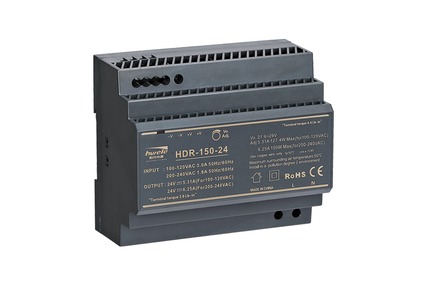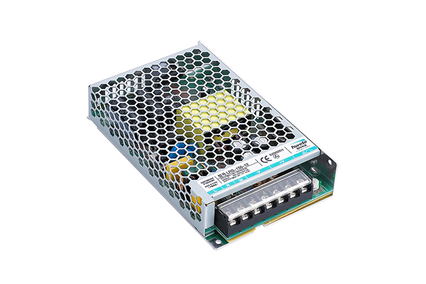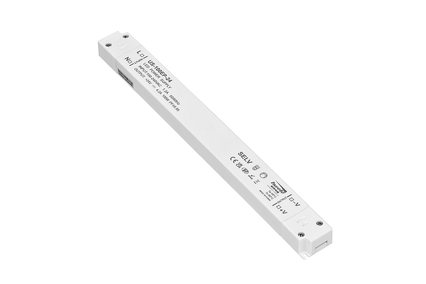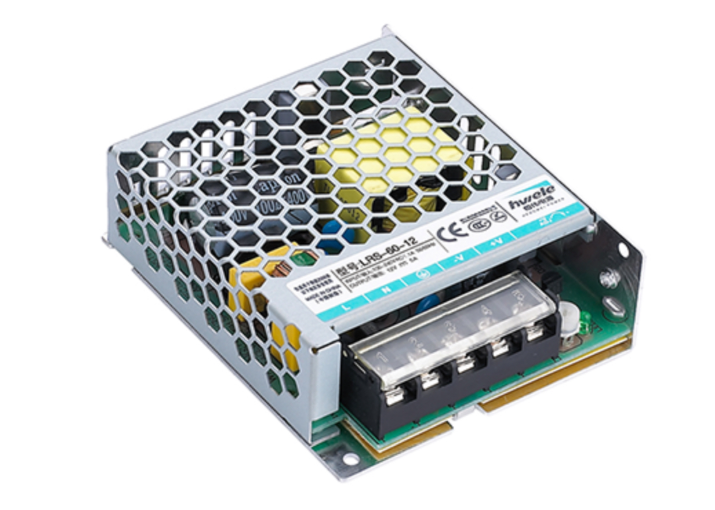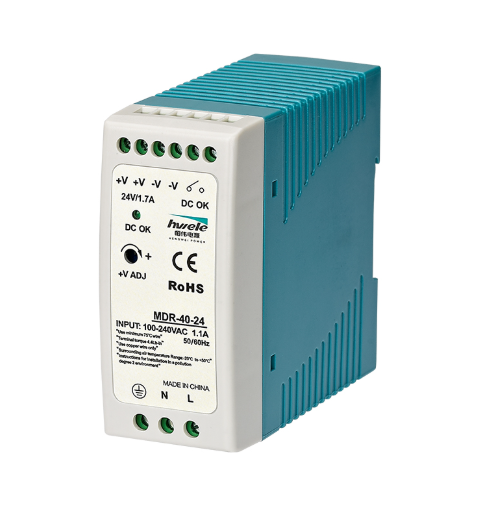


When it comes to lighting systems, the LED driver plays a vital role as the power control center. It ensures that LEDs receive the correct voltage and current to function efficiently, safely, and with a long lifespan. Whether you are installing ceiling lights, commercial displays, or outdoor signage, understanding the different types of LED drivers can help you choose the best match for your application. In this guide, we’ll explore the 10 main types of LED drivers, their features, advantages, and best use cases. You’ll also learn practical insights on topics like how to connect an LED driver to a ceiling light, how many drivers you need, and how to choose reliable models like the HENGWEI LED driver.

Constant Voltage LED drivers supply a fixed DC output (typically 12V or 24V), while the current varies depending on the LED load.
Stable voltage output such as LED drivers 24V
Compatible with parallel LED connections
Easy to install and maintain
Perfect for LED strips, signage, and low-voltage ceiling lights.
Not suitable for applications where LEDs require precise current regulation.
These drivers deliver a fixed current to LEDs while adjusting voltage as needed.
Prevents LED burnout and flickering
Increases LED life expectancy
Provides consistent brightness
Common in spotlights, downlights, and architectural lighting.
Requires accurate matching between driver current rating and LED specifications.
A Constant Power LED driver maintains constant output power by balancing voltage and current.
Ensures uniform performance
Increases design flexibility
Efficient for multi-channel lighting
Used in high-performance commercial and industrial LED systems.
Slightly more expensive than constant current models.
AC LED drivers allow LEDs to operate directly from AC mains power without the need for external conversion.
Compact and cost-efficient
Simplified circuit design
Ideal for retrofit LED bulbs
Common in AC-powered ceiling lights, lamps, and retrofit bulbs.
Limited control over dimming and current stability.
Programmable LED drivers can be configured to adjust parameters like current, voltage, and dimming behavior using software tools.
Fully customizable performance
Compatible with LED driver calculators
Ideal for R&D and smart lighting systems
Best for tunable white lighting, IoT-based systems, and adaptive street lights.
Requires additional setup and programming tools.
These drivers allow you to control LED brightness via Triac, DALI, or 0-10V dimming systems.
Smooth dimming with no flicker
Compatible with smart home systems
Saves energy and enhances ambiance
Ideal for residential, hotel, and theater lighting.
Requires compatible dimmer switches.
Isolated drivers use transformers to electrically separate input and output circuits, enhancing safety.
High protection for users and devices
Meets international safety standards
Reduces electrical interference
Used in outdoor, industrial, or moisture-prone environments.
Larger in size and slightly less efficient.
Linear LED drivers regulate current using resistive or transistor-based methods rather than switching.
Simple circuit and low cost
No EMI noise
Reliable for low-power applications
Used in indoor LED panels, backlighting, and decorative fixtures.
Lower efficiency compared to switching types.
These drivers use high-frequency switching to convert power efficiently.
High efficiency (up to 95%)
Compact design
Strong anti-interference ability
Suitable for commercial lighting, outdoor systems, and industrial fixtures.
Slightly more complex and costlier than linear models.
Designed for high-wattage LEDs requiring higher current and voltage output.
Excellent voltage stabilization effect
Built for thermal management
Suitable for heavy-duty applications
Used in stadium lighting, street lamps, and large commercial displays.
Requires additional heat dissipation design.

| LED Driver Type | Key Feature | Best Application | Main Advantage |
|---|---|---|---|
| Constant Voltage | Fixed voltage (12V/24V) | LED strips, signage | Easy installation |
| Constant Current | Fixed current | Spotlights, downlights | Prevents burnout |
| Constant Power | Balanced power | Industrial lighting | Stable performance |
| AC LED | Direct AC input | Retrofit bulbs | No converter needed |
| Programmable | Customizable output | Smart lighting | Flexible control |
| Dimmable | Adjustable brightness | Home and theater | Smooth dimming |
| Isolated | Electrically separated | Outdoor/industrial | Enhanced safety |
| Linear | Simple current control | Panels, backlights | Low EMI |
| Switching Mode | Efficient switching | Commercial lighting | High efficiency |
| High-Power | High voltage/current | Street & stadium lights | Durable and strong |
Choosing the right LED driver depends on your project’s voltage, current, and control requirements. Whether you need a constant current LED driver for precise lighting, a programmable LED driver for smart applications, or a switching mode LED driver for energy-efficient systems, the key is reliability and performance. That’s why professionals trust HENGWEI LED drivers — built with glue filling protection, strong environmental adaptability, and stable performance.


 Optimized by Seraphinite Accelerator