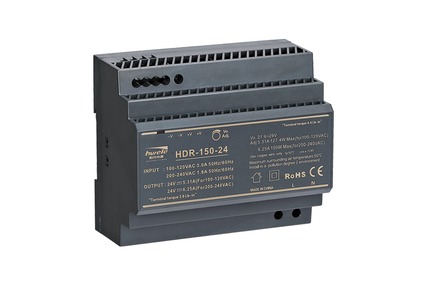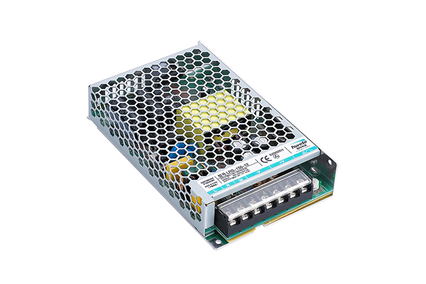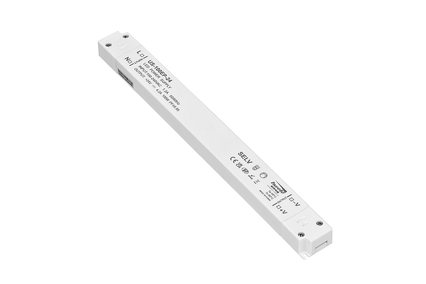


Choosing the right power source is one of the most critical factors for achieving reliable and long-lasting LED lighting performance. Many people often confuse LED drivers with LED transformers, but these two devices serve very different purposes. Whether you’re setting up LED strip lights, downlights, or panel systems, understanding their differences ensures safety, efficiency, and durability. In this guide, we’ll explain what a LED driver is, what a LED transformer does, and explore the 10 key differences between them — helping you make an informed decision for your lighting projects.

A LED driver is an electronic device that regulates the current and voltage supplied to an LED or LED array. LEDs require direct current (DC) at a precise current level to function properly. Without regulation, fluctuations in power can cause flickering, reduced lifespan, or even burnout.
So, what is a LED driver used for?
It ensures that your LED receives consistent current, even if the input voltage changes. These guarantees stable brightness, longer lifespan, and safe operation.
There are two main types of LED drivers:
Constant Current LED Drivers: Deliver a fixed current and adjust the voltage based on LED requirements.
Constant Voltage LED Drivers: Supply a fixed DC voltage (like 12V or 24V) and allow LEDs to regulate their current internally.
For example, a LED driver 12V is commonly used in LED strips and low-voltage lighting systems.

A LED transformer is a type of power supply that converts high-voltage AC (usually 110V or 220V) into low-voltage AC (such as 12V or 24V). It’s often used with halogen lamps and some LED lighting systems that can operate on AC voltage.
However, standard transformers are not specifically designed for LEDs. That’s why LED-compatible transformers are required — they provide smoother power suitable for LED loads.
If you’re using an LED transformer 12V, make sure it’s labeled as “LED-compatible”, otherwise your LEDs may flicker or fail prematurely.

The main function of an LED driver is to regulate and supply a constant current or voltage to LEDs, ensuring they operate safely and efficiently. It compensates for voltage fluctuations and protects LEDs from overcurrent damage.
In contrast, an LED transformer is primarily designed to step down AC mains voltage (typically 120V or 230V) to a lower voltage, such as 12V or 24V, suitable for low-voltage lighting. Its goal is voltage conversion, not current regulation.
An LED driver provides a constant current (CC) or constant voltage (CV) output, depending on the LED configuration. Constant current drivers are ideal for high-power LEDs, ensuring consistent brightness and long life.
Meanwhile, an LED transformer typically offers unregulated AC or DC voltage, which may cause brightness flickering or shorter LED lifespan if not paired with compatible lights.
LED drivers are specifically designed for LEDs and their electrical characteristics. They match the voltage and current needs of LED modules or chips precisely.
However, LED transformers are more general-purpose devices — they can power low-voltage halogen lamps or some LED strips, but not all LEDs are compatible. Incorrect pairing may result in flickering or failure to light up.
LED drivers usually convert AC to DC with precise current regulation and filtering to ensure stable power delivery.
LED transformers, on the other hand, mainly perform AC-to-AC or AC-to-low-voltage DC conversion without precise regulation, making them less stable for sensitive LED loads.
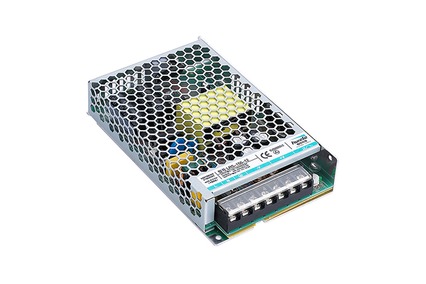
A high-quality LED driver (such as the HENGWEI LED driver) offers excellent voltage stabilization and anti-interference ability. It automatically adjusts output to maintain steady current, even when input voltage fluctuates.
In contrast, LED transformers provide less regulation. Any variation in the input voltage can directly affect LED brightness, leading to instability over time.
LED drivers are designed to work seamlessly with PWM, 0-10V, or TRIAC dimming systems, allowing users to adjust brightness smoothly without flicker.
LED transformers are less flexible — many are incompatible with LED dimmers, which may result in flickering, buzzing, or incomplete dimming range.
Modern LED drivers, especially switching power supply types like HENGWEI LED drivers, are highly efficient (up to 90–95%), minimizing energy loss and heat generation.
LED transformers generally have lower efficiency, particularly older magnetic models, which consume more power and produce more heat during operation.
LED drivers are widely used in LED panels, downlights, streetlights, signage, and industrial lighting where stability and precision matter.
LED transformers are commonly found in LED strip lights or decorative lighting applications where voltage regulation is less critical.
A reliable LED driver ensures a longer lifespan for both itself and the connected LEDs. The advanced design of HENGWEI switching power supplies includes glue filling protection, strong environmental adaptability, and stable performance, ideal for long-term operation.
In comparison, LED transformers tend to wear out faster under continuous operation, especially in high-temperature or fluctuating environments.
LED drivers are generally more expensive because they contain complex circuitry for current regulation, EMI filtering, and safety protection. However, their performance and durability justify the cost.
LED transformers are simpler and cheaper, but they lack the precision control required for modern LED lighting systems.
| Comparison Aspect | LED Driver | LED Transformer |
|---|---|---|
| 1. Function and Purpose | Regulates and supplies constant current or constant voltage to LEDs, ensuring stable operation and preventing overcurrent damage. | Converts high AC voltage (110V/230V) into low voltage (usually 12V or 24V) for low-voltage lighting. No current regulation. |
| 2. Output Type | Provides DC output – either constant current (CC) or constant voltage (CV) depending on the LED design. | Provides AC or DC voltage output, typically unregulated, leading to possible flicker. |
| 3. Compatibility with LEDs | Specially designed for LED modules and chips; perfectly matches voltage and current requirements. | Suitable for halogen bulbs or certain LED strips that require 12V AC/DC; not compatible with most high-power LEDs. |
| 4. Power Conversion Method | Converts AC to DC with precise current control and filtering for smooth, stable power. | Converts AC to low-voltage AC/DC without tight regulation, less stable for sensitive LEDs. |
| 5. Regulation and Stability | Offers excellent regulation—maintains stable current even when input voltage fluctuates. Example: HENGWEI LED driver ensures consistent brightness and performance. | Poor voltage regulation—LED brightness may fluctuate or flicker if input voltage changes. |
| 6. Dimming Capability | Compatible with PWM, 0–10V, DALI, TRIAC dimming systems; provides flicker-free dimming experience. | Limited dimming support; most models, incompatible with LED dimmers, may cause noise or flicker. |
| 7. Efficiency | High efficiency (up to 90–95%), especially in switching power supply designs like HENGWEI drivers. | Lower efficiency (70–85%), particularly magnetic types, leading to energy loss and heat generation. |
| 8. Application Range | Used in LED panels, downlights, floodlights, signage, and industrial lighting. Ideal for precision lighting systems. | Common in LED strip lights, decorative lighting, and simple residential setups. |
| 9. Lifespan & Reliability | Long lifespan due to regulated power and protection circuits. HENGWEI LED drivers feature glue filling protection, strong environmental adaptability, and stable performance. | Shorter lifespan; internal components may degrade faster under heat or voltage fluctuations. |
| 10. Cost & Design Complexity | More expensive due to advanced circuits and protective features, but ensures better safety, performance, and reliability. | Cheaper, simpler design suitable for basic low-voltage lighting tasks with limited control. |
| 11. Safety Features | Includes short-circuit, over-voltage, and over-temperature protection, ensuring LED longevity. | Usually lacks advanced protection features, posing potential risk for LEDs under unstable power. |
| 12. Output Accuracy | Precise output current/voltage, crucial for maintaining consistent LED color and brightness. | Inaccurate voltage output can lead to uneven brightness or LED failure. |
| 13. Design Size | Compact, ultra-thin and space-saving, easy to install even in tight lighting fixtures. | Bulkier design, especially traditional magnetic transformers. |
| 14. Noise and Interference | Low electromagnetic interference (EMI) and quiet operation—ideal for indoor environments. | May produce hum or buzzing sounds, especially in AC-based transformers. |
| 15. Best Example / Brand | HENGWEI LED Driver – Professional manufacturer since 2005; offers diversified output, good voltage stabilization, and simple installation. | Generic 12V transformer – suitable for halogen or basic LED strip lighting. |
Both LED drivers and LED transformers play essential roles in lighting systems, but their purposes are distinct. If your LEDs require DC power and current regulation, go for a LED driver — especially a HENGWEI LED driver for superior quality and reliability. If you’re powering simple low-voltage AC systems, an LED transformer may suffice. Choosing the right power source means better safety, longer lifespan, and higher efficiency.


 Optimized by Seraphinite Accelerator