...

Our website uses cookies to improve your experience and record usage statistics. By using our site you consent to cookies as described in our Privacy Policy. We take your privacy and data security very seriously and all information collected will be kept strictly confidential.

Decline All Accept All
What's the difference between a power supply and a charger?
02/02/2026

Introduction

DIN rail power supplies are essential components in industrial control systems. They ensure that your systems are powered efficiently and reliably, supporting smooth operations. In this blog, we will explore what you need to know about DIN rail power supplies and how they can benefit your industrial setup.

What is a Power Supply?

A power supply is an electronic device that converts electrical energy from a source (such as an AC or DC input) into a stable output to power electronic devices or systems. Power supplies are critical for providing the correct voltage and current to ensure the reliable operation of your equipment.


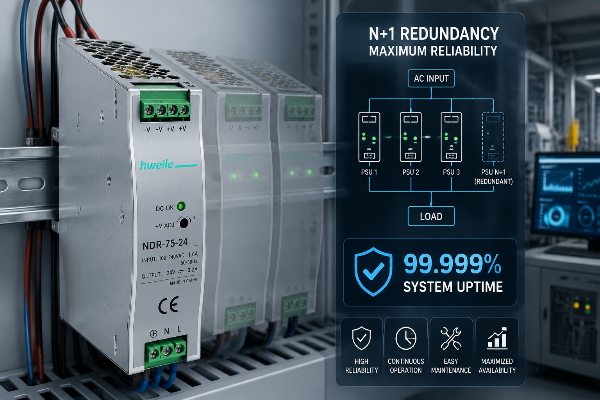
NDR Aluminum DIN Rail Power Supply 75W

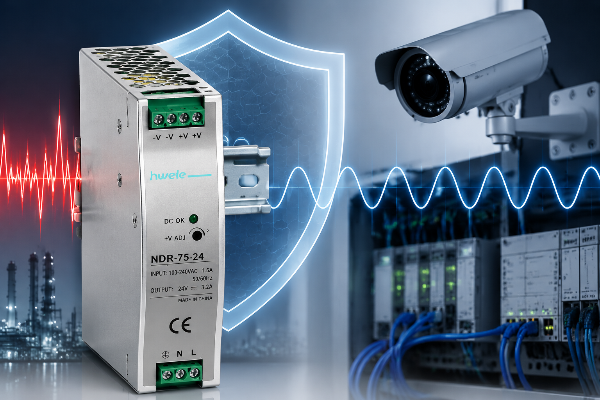
NDR Aluminum DIN Rail Power Supply 75W


How Power Supplies Work

Power supplies work by converting the input power (AC or DC) into a form that is suitable for the system it is powering. They regulate the voltage and current to provide stable, consistent energy output. The most common types of power supplies include:

  • AC-DC power supplies: Convert alternating current (AC) to direct current (DC) for powering electronic systems.
  • DC-DC power supplies: Step down or step up the voltage of DC power to meet the requirements of the system.

These power supplies are vital in ensuring that industrial systems receive the right amount of power without causing damage or inefficiency.

What is a Charger?

A charger is a device that supplies electrical energy to recharge a battery. Unlike power supplies, which provide continuous power for operational use, chargers are specifically designed for recharging batteries by managing the charging process.

Chargers usually convert AC power into DC power and control the rate at which a battery is charged, preventing overcharging and ensuring the longevity of the battery. Chargers are typically used for devices that require stored energy, such as mobile phones, laptops, or backup batteries.

How Chargers Work

A charger works by converting AC (or sometimes DC) power into the appropriate DC voltage and current required to charge a battery. As the battery charges, the charger continuously adjusts the current to ensure optimal charging cycles. Modern chargers also include smart technology to protect the battery from overcharging, overheating, and short-circuiting.

5. What is the Key Difference Between a Power Supply and a Charger?

While both power supplies and chargers provide electrical energy, they serve different purposes:

  • Power Supplies: Provide continuous electrical power to systems or devices, maintaining operational energy without storing it.
  • Chargers: Specifically designed to recharge batteries and manage the battery charging process, ensuring efficient energy storage.

In short, a power supply is for running devices, while a charger is for charging batteries. Power supplies are used in continuous operation, while chargers are used intermittently.

Advantages of Power Supplies

  • Continuous Power: Power supplies provide stable, continuous power to systems that require consistent energy, ensuring reliable performance.

  • Higher Efficiency: Explain how modern power supplies are designed for optimal energy efficiency, reducing energy waste.

  • Long-Term Operation: Discuss how power supplies are built to support long-term use in industrial and commercial environments.


SC Charging UPS High Power Enclosed Power Supply 120W

SC Charging UPS High Power Enclosed Power Supply 120W


Advantages of Chargers

  • Battery Charging: Chargers are essential for recharging batteries and ensuring devices stay powered when not in direct connection to the grid.

  • Portability: Chargers enable portability for mobile devices and other battery-operated tools, making them indispensable for on-the-go energy solutions.

  • Battery Health: Discuss how chargers are designed to extend battery life through intelligent charging cycles.

When to Use a Power Supply or Charger for Your Device

  • When to Use a Power Supply: Advise on when a power supply should be used, such as for industrial applications, equipment that needs constant power, and devices without a battery.

  • When to Use a Charger: Discuss when a charger is required, like when powering devices with rechargeable batteries (e.g., laptops, phones, EVs).

How to Choose Between a Power Supply and Charger

  • Factors to Consider: Include considerations like device type, energy needs, portability, and the presence of a rechargeable battery.

  • Match the Device with the Right Power Source: Provide guidelines for matching devices (e.g., industrial systems, mobile devices) with the correct power source.

  • Efficiency and Cost: Talk about the importance of selecting energy-efficient and cost-effective solutions for both power supplies and chargers.

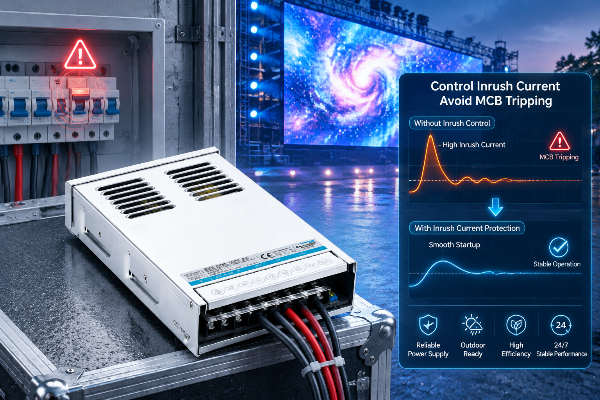
Aluminum Semi Potted Waterproof Switching Power Supply 350W

Aluminum Semi Potted Waterproof Switching Power Supply 350W


FAQs

Q: What is the difference between a power supply and a charger?

A power supply provides continuous power to devices or systems, while a charger is used to recharge batteries intermittently.

Q: Can a charger be used as a power supply?

No, chargers are designed specifically to recharge batteries and cannot provide continuous power like a power supply.

Q: How do I know if I need a power supply or a charger?

If your device requires continuous power for operation, you need a power supply. If it uses rechargeable batteries, you need a charger.

Q: Are power supplies and chargers interchangeable?

No, they serve different functions. A power supply is for providing energy to a device, while a charger is for recharging batteries.

Conclusion

In summary, while both power supplies and chargers provide electrical energy, their functions and applications are distinct. A power supply provides continuous power to ensure the long-term operation of devices, while a charger is specifically designed to recharge batteries. Understanding these differences is crucial when choosing the right power solution for your device.

At hwele, we specialize in providing high-quality power supply solutions tailored to meet the needs of various industrial applications. Whether you’re optimizing an existing system or installing new equipment, choosing the right power supply is essential for ensuring stable and reliable performance.

RELATED NEWS
YOU MAY ALSO WANT TO SEE
GET A QUOTE TODAY!
icon
icon
Seraphinite AcceleratorOptimized by Seraphinite Accelerator
Turns on site high speed to be attractive for people and search engines.