Our website uses cookies to improve your experience and record usage statistics. By using our site you consent to cookies as described in our Privacy Policy. We take your privacy and data security very seriously and all information collected will be kept strictly confidential.
If you’re considering upgrading or setting up an LED lighting system, you may have encountered the term “LED driver” and wondered if it’s just another type of transformer. While they may seem similar, there are key differences between an LED driver and a traditional transformer. In this blog, we’ll explain the roles of both and why understanding their differences is crucial when selecting the right one for your LED system.
What is an LED Driver?
An LED driver is an essential component that regulates the power supplied to LED lights. Unlike traditional bulbs that use a fixed voltage, LEDs require a consistent current to operate efficiently. The LED driver converts the incoming electrical supply (AC) to a usable DC current, maintaining a stable flow to prevent the LEDs from burning out or malfunctioning.
LED drivers also have the ability to dim or control the intensity of the light, depending on the design, offering enhanced flexibility and energy savings.
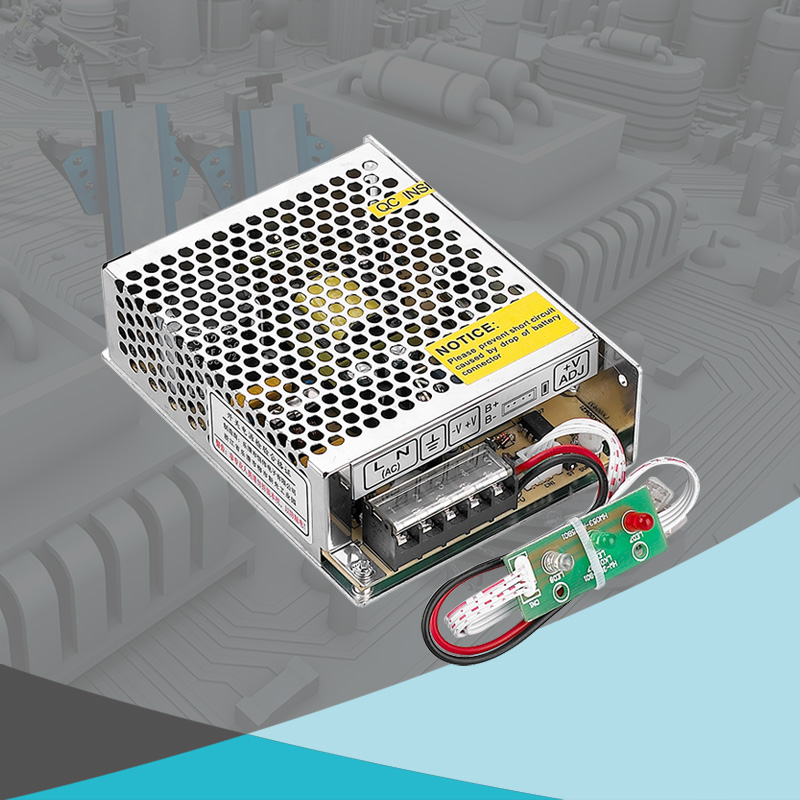
US N 60W Long Strip Aluminum Shell LED Driver
What is a Transformer?
A transformer is an electrical device that changes the voltage level of an AC signal. It can step up (increase) or step down (decrease) the voltage as needed. Transformers are primarily used to distribute electricity from the grid at different voltage levels.
For lighting applications, transformers are often used to power low-voltage lights, like halogen lamps. However, they are not designed to regulate the current for LEDs, which is why they cannot be used interchangeably with LED drivers.
Key Differences Between LED Drivers and Transformers
While both LED drivers and transformers manage the electrical supply, they serve distinct purposes:
Voltage Regulation vs. Current Regulation
LED drivers are designed to regulate current (amperage), which is necessary for LED operation. LEDs work best with a constant current, which is why LED drivers are specialized for this task.
Transformers, on the other hand, are built to regulate voltage. They can step up or step down the voltage, but they don’t control the current, making them unsuitable for LEDs.
Dimming Capabilities
LED drivers can often support dimming functions, allowing you to control the light intensity, which is a common feature for modern lighting setups.
Transformers typically don’t offer dimming capabilities and are not optimized for this function in most lighting applications.
Efficiency and Longevity
LED drivers are designed to be energy-efficient and help prolong the lifespan of LEDs by delivering consistent power.
Traditional transformers are not as energy-efficient for LED applications, and using them may result in lower performance and reduced lifespan for your lights.
Why Can’t I Use a Transformer for My LED Lights?
Using a transformer instead of a dedicated LED driver can lead to several issues:
Inconsistent Light Output: Without proper current regulation, your LEDs may flicker or become dimmer over time.
Reduced Lifespan: LEDs require a consistent current to avoid overheating. A transformer that only regulates voltage may not provide the right power level, leading to early failure of the LEDs.
Increased Energy Usage: Because transformers are less efficient for LED lighting, your system may consume more power, leading to higher electricity bills.
How to Choose the Right LED Driver for Your Lighting System
Selecting the correct LED driver is crucial for your lighting system’s performance. Here’s what to consider:
Voltage and Current Requirements: Make sure the driver matches your LED’s voltage and current specifications. A mismatch can cause underperformance or damage to the LEDs.
Wattage: Choose a driver with the appropriate wattage rating for the number of LEDs you’re using. Ensure the driver can handle the total wattage without being overloaded.
Dimming Options: If you need dimming features, look for an LED driver that supports this functionality.
Efficiency: Opt for energy-efficient LED drivers to reduce power consumption and ensure long-term savings.
FAQs
Can I use a transformer for LED lights?
No, a transformer cannot be used for LEDs because it only regulates voltage, not current. LED drivers are designed to regulate current and ensure safe and efficient operation of your LEDs.
How do I know which LED driver to choose?
Choose an LED driver that matches the voltage, current, and wattage specifications of your LEDs. Additionally, consider whether you need dimming features or enhanced energy efficiency.
What happens if I use the wrong LED driver?
Using an incompatible LED driver can cause your LEDs to flicker, overheat, or fail prematurely. It can also reduce the energy efficiency of your lighting system.
Can I use an LED driver with any type of LED light?
No, LED drivers are designed for specific types of LEDs, such as constant current or constant voltage LEDs. Be sure to match your driver with the type of LED you plan to use.
Conclusion
In conclusion, while LED drivers and transformers may seem similar, they serve different purposes in electrical systems. Understanding the key differences can help you make the right choice when selecting a power supply for your LED lighting. At Hwele, we offer a range of high-quality LED drivers that ensure optimal performance and energy efficiency for your lighting systems. Choose the right driver today and enjoy reliable, long-lasting LED lighting!



 Optimized by Seraphinite Accelerator