Our website uses cookies to improve your experience and record usage statistics. By using our site you consent to cookies as described in our Privacy Policy. We take your privacy and data security very seriously and all information collected will be kept strictly confidential.
When selecting a power supply for industrial applications, ensuring you choose the right one is crucial for maintaining efficient operation, safety, and longevity of your equipment. Enclosed power supplies are widely used in industries for their reliability and protection in harsh environments. This guide will help you understand how to select the right enclosed power supply for your industrial application.
What is an Enclosed Power Supply?
Definition and Functionality
An enclosed power supply is a type of electrical device that converts electrical energy from an input source to a usable output form. It is housed in a protective enclosure, ensuring the components inside are safe from external elements like dust, moisture, and physical damage. These power supplies are commonly used in industries where safety and protection are paramount.
Key Features of Enclosed Power Supplies
Protection: The enclosure shields the internal components from dust, dirt, moisture, and other environmental factors.
Safety: Many enclosed power supplies come with built-in overvoltage, overcurrent, and thermal protection, enhancing system reliability.
Cooling: They typically feature cooling mechanisms like fans or vents to dissipate heat and maintain optimal operating conditions.
Durability: Designed to withstand the challenges of industrial environments, they offer long-term performance.
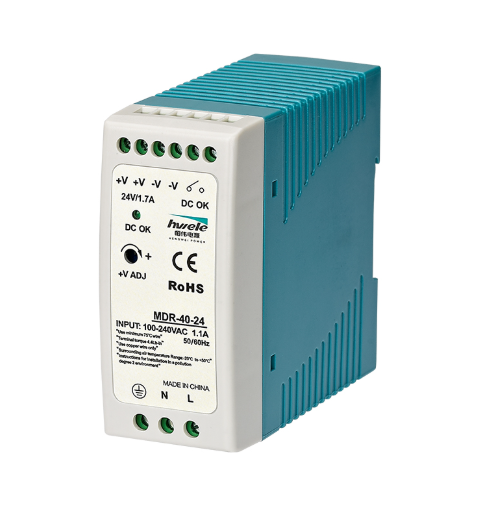
NES 50W Compact Standard Enclosed Switching Power Supply
Types of Enclosed Power Supplies
Linear vs. Switching Power Supplies
Linear Power Supplies: Provide a steady output by dissipating excess power as heat. They are ideal for sensitive equipment that requires a constant output voltage but tend to be less energy-efficient.
Switching Power Supplies: More efficient than linear types, these supplies convert power by rapidly switching it on and off. They are preferred in most industrial settings due to their energy efficiency and compact design.
Single Output vs. Multi-Output Power Supplies
Single Output: These power supplies provide one output voltage and are typically used in systems with simple power needs.
Multi-Output: These offer multiple output voltages from a single supply, ideal for equipment that requires different voltage levels.
DC and AC Enclosed Power Supplies
DC Power Supplies: These are used for applications that require direct current. They are common in machinery and electronic systems.
AC Power Supplies: Used when alternating current is required, they are often found in high-power industrial systems.
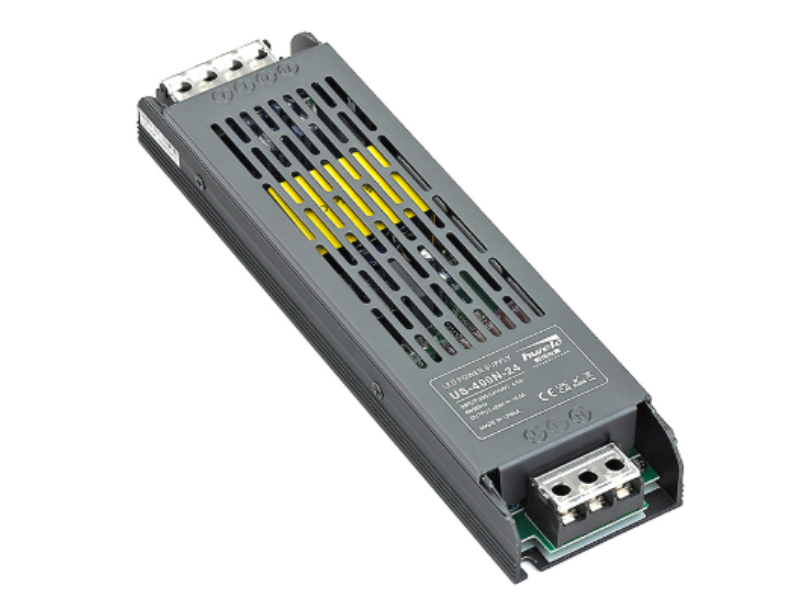
ACDC Ultra Compact Standard Switch Mode Power Supply150W
Advantages of Enclosed Power Supplies for Industrial Use
Enhanced Protection: The enclosed design ensures that the power supply is shielded from external factors, making it ideal for use in harsh environments.
Increased Safety: Built-in safety features protect equipment and personnel from electrical faults, ensuring safe operation.
Efficiency: Switching power supplies offer improved energy efficiency, reducing operational costs over time.
Longevity: Enclosed power supplies are designed to handle extended operational hours, providing consistent performance even in demanding conditions.
Key Factors to Consider When Selecting an Enclosed Power Supply
Power Requirements
Before selecting a power supply, calculate the total power requirement of your equipment. Ensure that the supply can deliver the necessary wattage to prevent underpowering or overloading, which could lead to malfunction.
Voltage Ratings
Check the voltage ratings of both your equipment and the power supply. The voltage from the power supply must match the requirements of your industrial machinery to ensure proper operation and prevent damage.
Current Capacity
Ensure the power supply can handle the required current capacity for your equipment. Using a supply with insufficient current capacity can lead to overheating and failure.
Efficiency and Energy Consumption
Select a power supply with high energy efficiency to minimize energy wastage and reduce operating costs. Switching power supplies are typically more efficient than linear ones.
Environmental Considerations
Consider the operating environment. If the power supply will be exposed to high humidity, dust, or extreme temperatures, choose one with a high IP rating for protection against these factors.
Choosing the Right Enclosed Power Supply for Industrial Machinery
When selecting an enclosed power supply for industrial machinery, consider the specific power requirements of the machinery, the need for protection against environmental factors, and the space available for installation. For heavy-duty machinery, you may need a power supply with higher wattage, cooling capabilities, and enhanced safety features.
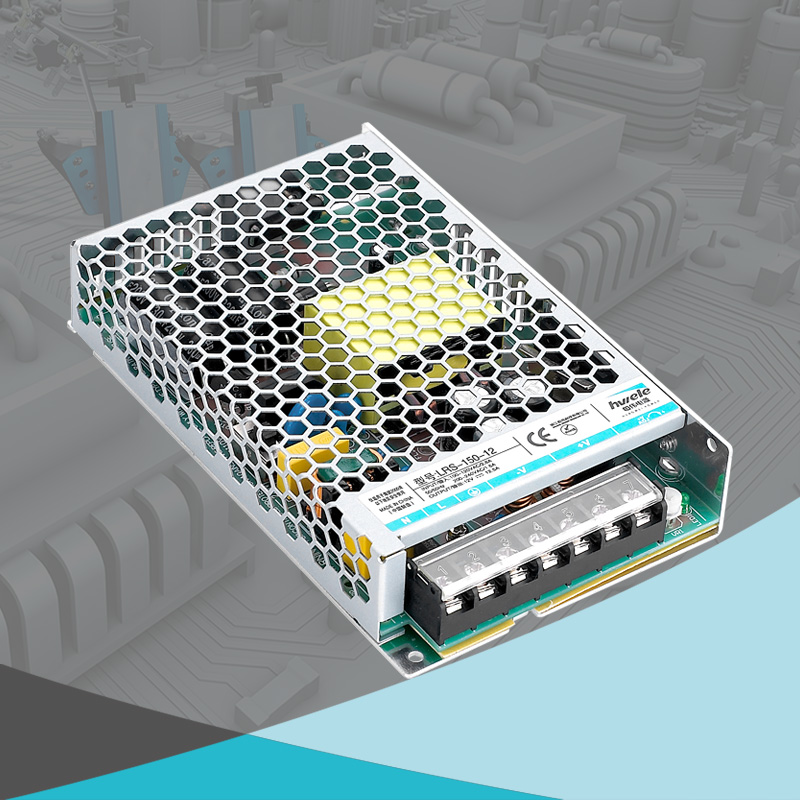
3D Printing LRS Ultra thin Switch Mode Power Supply 500W
Installation and Maintenance of Enclosed Power Supplies
Installation
Proper installation is essential for optimal performance. Ensure that the power supply is mounted securely in a dry, well-ventilated area. Follow the manufacturer’s installation guidelines to ensure the system operates correctly and safely.
Maintenance
Regular maintenance is required to ensure the power supply operates efficiently. Check for signs of wear, clean the unit, and ensure the cooling mechanisms are working properly. Perform inspections periodically to detect potential issues before they cause failure.
FAQs
Q: How do I know the power supply will fit my machinery?
Verify the voltage and current requirements of your equipment and ensure the power supply matches these specifications.
Q: Are enclosed power supplies suitable for outdoor use?
If the unit will be exposed to outdoor elements, select a model with a high IP rating (e.g., IP65 or higher) for protection against dust and water.
Q: Can I use an enclosed power supply for sensitive equipment?
Yes, enclosed power supplies can provide stable voltage and protect sensitive equipment when selected with the appropriate specifications.
Q: How often should I maintain my enclosed power supply?
Maintenance frequency depends on the operating conditions, but it’s recommended to inspect the power supply at least once every six months.
Q: What is the difference between linear and switching power supplies?
Linear power supplies offer constant voltage but are less energy-efficient, while switching power supplies are more efficient and compact, making them more suitable for most industrial applications.
Conclusion
Selecting the right enclosed power supply for your industrial application is crucial for ensuring safe, reliable, and efficient operation of your equipment. By considering factors such as power requirements, voltage ratings, and environmental conditions, you can make an informed decision that maximizes performance and longevity. Hwele offers a range of high-quality enclosed power supplies tailored for various industrial applications. Contact us today to find the ideal solution for your business needs!



 Optimized by Seraphinite Accelerator