

Choosing the right industrial power supply is one of the most important decisions in any electrical or automation project. Many system problems do not start with software, motors, or controllers. They start with power. An unstable or poorly selected power supply can cause random shutdowns, overheating, shortened equipment life, and expensive downtime.
Industrial environments are very different from commercial or consumer settings. Power supplies often run continuously. They face heat, dust, vibration, voltage fluctuation, and electrical noise. A wrong choice may work on paper but fail in real use. Many buyers focus only on price or rated power. Experienced engineers know that power supplies should be chosen as a system component, not as a commodity. This article explains what truly matters when making a power supply selection, and how to match the right product to the right application.
An industrial power supply converts AC or DC input power into a stable DC output that industrial equipment can safely use. Compared with commercial power supplies, industrial models are designed for continuous operation, higher reliability, and harsher environments.
Most industrial systems use AC DC industrial power supplies to convert grid power into 12V, 24V, or 48V DC. These outputs power PLCs, sensors, relays, motors, actuators, industrial PCs, lighting systems, and communication devices.
Industrial power supplies are commonly used in automation cabinets, machinery, production lines, transportation equipment, and energy systems. Their role is simple but critical. Deliver stable power at all times.
| Factor | What Buyers Should Check | Why It Matters in Real Use | Hengwei Product Suggestion |
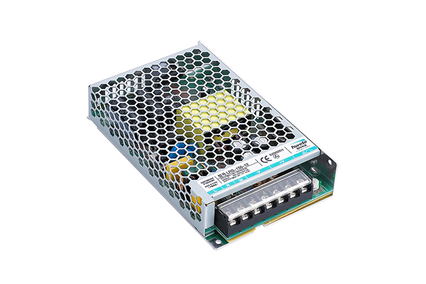
| Power Requirements | Total system wattage and peak load | Prevents startup failure and overload issues | Enclosed Power Supply 10–600W |
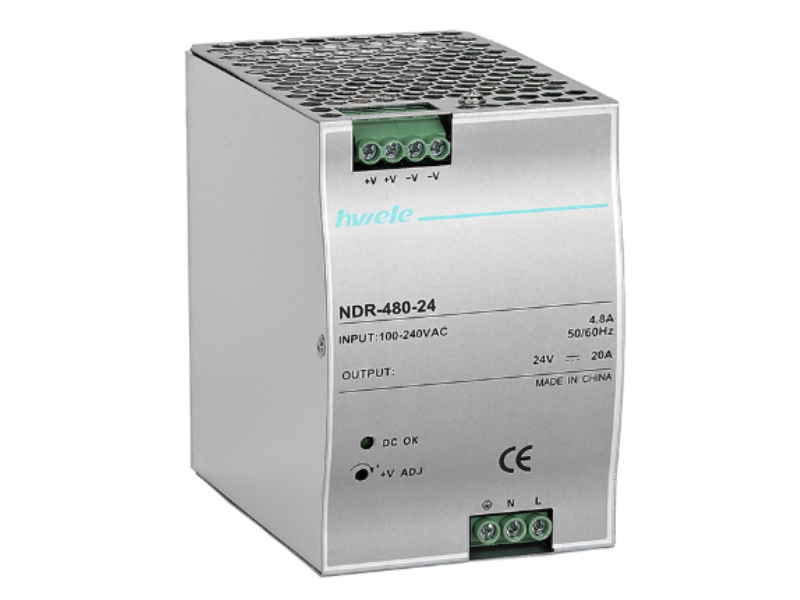
| Output Voltage and Current | Correct voltage 12V 24V 48V and enough current | Ensures stable operation of PLCs and equipment | DIN Rail Power Supply 10–480W |
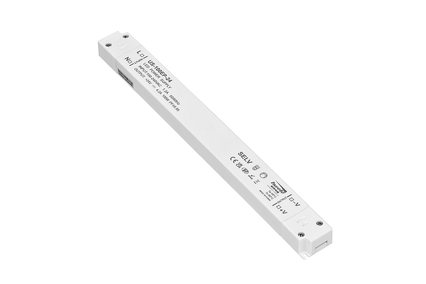
| Input Voltage Range | Wide AC input tolerance | Handles unstable grids and global installations | LRS-E Ultra-thin Enclosed Power Supply |
| Efficiency and Energy Loss | High efficiency rating | Reduces heat and lowers energy cost | Ultra-thin Enclosed Switching Power Supply |
| Thermal Management and Cooling | Fanless or fan cooled design | Improves lifespan in compact cabinets | Ultra-thin Enclosed Power Supply Series |
| Environmental Conditions | Temperature humidity dust exposure | Prevents failure in harsh environments | Rainproof Power Supply ERP Series |
| Protection Features | Overvoltage overcurrent short circuit | Protects equipment and avoids downtime | Industrial Enclosed Power Supply Series |
| Reliability and Lifespan | Continuous duty design | Ensures long term stable operation | Hengwei Industrial Power Supplies |
| Compliance and Certifications | CE UL RoHS requirements | Required for safety and export approval | Certified Hengwei Power Supplies |
| EMI and Noise Performance | EMI filtering and noise control | Prevents PLC and signal interference | Industrial Switching Power Supply |
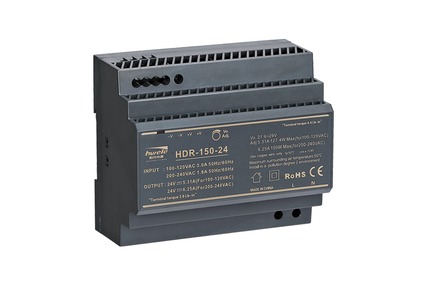
| Installation and Form Factor | DIN rail or enclosed mounting | Saves space and simplifies maintenance | DIN Rail HDR MDR NDR Series |
| Cost and Long Term Value | Total cost not just unit price | Reduces replacement and maintenance cost | Cost-effective Hengwei Power Supply |
The first step in any industrial power supply selection is understanding the real power demand of your system. This includes total wattage, startup current, and peak load conditions.
Many devices draw more power at startup than during normal operation. Motors, solenoids, and capacitive loads are common examples. If the power supply cannot handle these peaks, the system may fail to start or trip protection.
Buyers should calculate total system load and then add a reasonable margin. In industrial systems, oversizing by 20 to 30 percent is common practice.
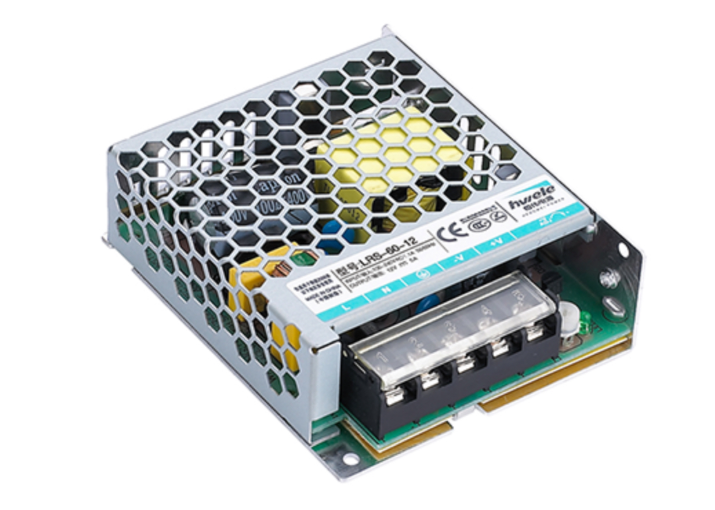
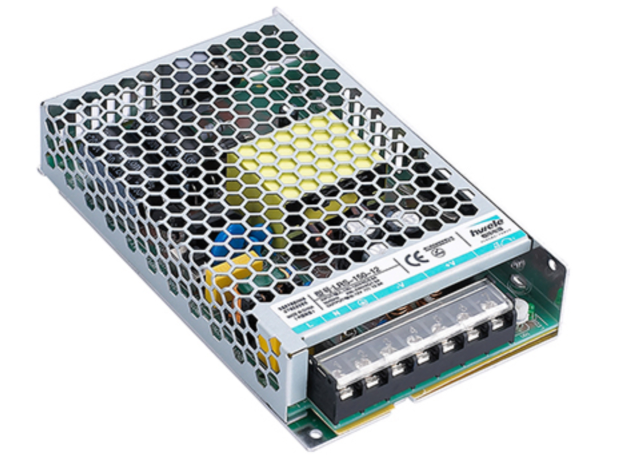
For higher power needs or compact layouts, Hengwei Enclosed Power Supply 10–600W series is often used in industrial cabinets where stable continuous output is required.
Output voltage must match equipment requirements exactly. Common industrial voltages include 12V, 24V, and 48V DC. Among them, 24V is the most widely used in automation systems.
Current capacity is just as important as voltage. If current is insufficient, voltage will drop under load, causing unstable operation.
Some systems require multiple output voltages. Others need adjustable output for fine tuning. Buyers should always check voltage tolerance of connected equipment and choose a power supply with stable regulation.
For PLC and automation control systems, Hengwei DIN Rail Power Supply 10–480W series is widely used for stable 24V DC output.
Industrial sites often experience unstable input power. Voltage fluctuation, power surges, and regional grid differences are common.
A wide input voltage range allows the power supply to operate safely under varying conditions. This is especially important for equipment sold globally.
If your equipment may be installed in different countries or regions, wide range input is essential.
Hengwei LRS-E Ultra-thin Enclosed Power Supply series supports wide voltage input and is suitable for international industrial applications.
Efficiency affects more than energy cost. It directly affects heat generation and component life.
Low efficiency power supplies waste energy as heat. This increases internal temperature and stresses components. Over time, this leads to early failure.
High efficiency power supplies reduce heat, improve reliability, and lower cooling requirements. In systems running 24 hours a day, efficiency makes a significant difference.
Industrial buyers increasingly look for high efficiency designs not only for cost savings but also for sustainability goals.
Heat is one of the biggest enemies of electronics. Industrial power supplies must operate reliably in enclosed cabinets where airflow may be limited.
Buyers must consider ambient temperature, cabinet layout, and airflow. Fanless designs reduce maintenance and dust issues but rely heavily on good thermal design.
Fan cooled designs can handle higher power density but require periodic maintenance.
For compact installations, Hengwei Ultra-thin Enclosed Power Supply products are designed to improve airflow and heat dissipation inside tight control cabinets.
Industrial environments are rarely clean. Power supplies may be exposed to dust, humidity, oil mist, vibration, or outdoor conditions.
Buyers should evaluate operating temperature range, humidity resistance, and mechanical strength. Indoor factory floors and outdoor installations require very different protection levels.
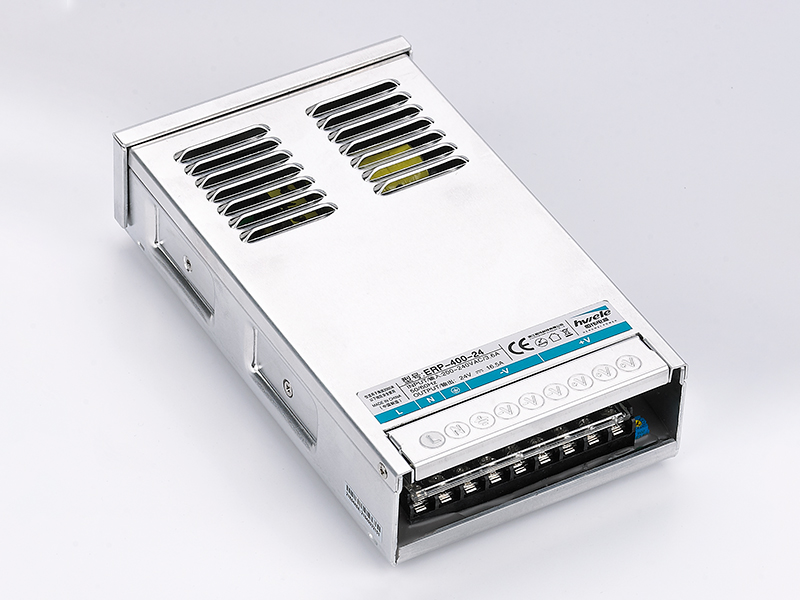
For outdoor or humid environments, Hengwei Rainproof Power Supply 350–400W ERP Series provides additional protection against moisture and environmental stress.
Protection features are essential for system safety and reliability. Industrial power supplies should include protection against overvoltage, overcurrent, short circuit, and overtemperature.
These protections prevent damage not only to the power supply itself but also to connected equipment.
In unstable industrial grids, surge protection is particularly important. Protection features reduce downtime and repair costs.
Experienced buyers always review protection functions as part of the power supply buying guide process.
Industrial systems often run continuously. Power supplies may operate 24 hours a day for years.
Reliability depends on design quality, component selection, and thermal management. Longer lifespan means fewer replacements and lower maintenance cost.
Buyers should focus on proven designs and stable production quality, especially for OEM projects.
Hengwei industrial power supplies are designed for long term operation in automation and equipment manufacturing environments.
Compliance is not optional in industrial projects. Certifications such as CE, UL, and RoHS are often required for safety, insurance, and export.
Certified power supplies reduce approval risk and simplify system integration.
Equipment manufacturers especially need certified power supplies to avoid delays in product certification.
Always verify certification before finalizing power supply selection.
Industrial environments are full of electrical noise. Motors, inverters, and switching devices generate interference.
Poor EMI performance can affect sensors, PLC communication, and control accuracy.
Power supplies with good EMI filtering help maintain system stability and reduce troubleshooting time.
For automation systems with sensitive signals, EMI performance should never be overlooked.
Installation space matters. Control cabinets are often crowded.
DIN rail mounting allows fast installation and easy replacement. Enclosed power supplies are commonly used for higher power or standalone equipment.
Buyers should consider cabinet layout, wiring access, and maintenance needs.
For automation panels, Hengwei DIN Rail Power Supply HDR MDR NDR Series offers flexible mounting options and compact design.
Price matters, but cost should be evaluated over the entire lifecycle.
Cheaper power supplies may fail earlier, consume more energy, or cause downtime. These hidden costs often exceed initial savings.
Industrial buyers increasingly focus on total cost of ownership rather than purchase price alone.
Choosing a reliable power supply is an investment in system stability.
Many buyers make similar mistakes. One common mistake is choosing based only on wattage without considering peak load. Another is ignoring environmental conditions. Some buyers select the cheapest option without evaluating reliability or efficiency.
Another frequent mistake is leaving no power margin for future expansion. Avoiding these mistakes requires a structured power supply selection process.
Different applications have different priorities.
Automation systems require stable 24V output and high reliability. Machinery may require higher power and better surge protection. Outdoor systems require environmental sealing.
There is no universal solution. The best power supply is the one that matches real operating conditions.
Hengwei provides a wide range of industrial power supply solutions including enclosed power supplies, DIN rail power supplies, waterproof LED drivers, and rainproof power supplies, allowing buyers to select the right product for each application.
Choosing an industrial power supply is not a simple task, but it does not need to be complicated. A well selected AC DC industrial power supply improves system stability, reduces maintenance, and protects valuable equipment.
Whether you are designing a new system or upgrading an existing one, taking time to evaluate power supply selection will pay off in reliability and performance over the long term.
If you consider real operating conditions, future expansion, and total value, you will always choose better.
Q1: How much power margin should I leave when choosing an industrial power supply?
A1: It is generally recommended to leave a power margin of 20% to 30% above the actual load. This helps the industrial power supply handle startup current, load fluctuations, and long-term operation more reliably, while also extending the lifespan of internal components.
Q2: Is 24V the best output voltage for industrial applications?
A2: Yes. 24V DC is the most commonly used voltage in industrial automation because it provides a good balance between safety and power capacity. Most PLCs, sensors, relays, and control devices are designed to work with 24V, making it the preferred choice for many systems.
Q3: Should I choose a DIN rail power supply or an enclosed power supply?
A3: This depends on the application. DIN rail power supplies are ideal for control cabinets and automation panels due to easy installation and maintenance. Enclosed power supplies are better suited for higher power applications or standalone equipment where DIN rail mounting is not required.


 Optimized by Seraphinite Accelerator