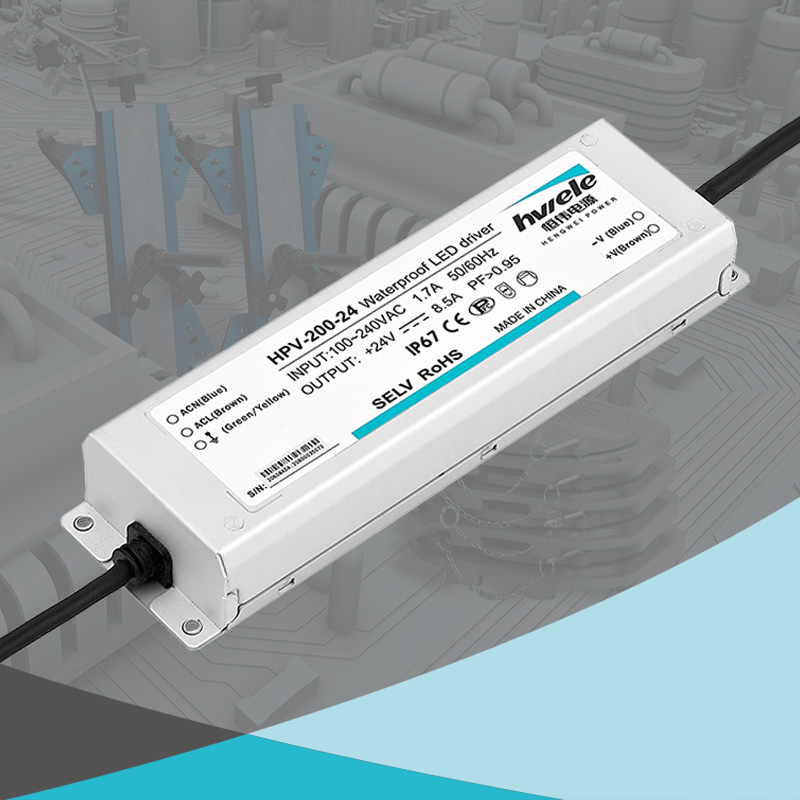


As the world becomes increasingly connected and technologically advanced, the demand for reliable power solutions capable of withstanding harsh environmental conditions is soaring. Among these, waterproof power supplies have gained significant attention, particularly in industries such as outdoor lighting, industrial automation, telecommunications, and renewable energy. These power supplies ensure the safe and efficient operation of systems exposed to water, dust, and temperature extremes. In this article, we explore the latest trends and innovations in waterproof power supplies, focusing on advancements in waterproofing technologies, the growing demand for these products in outdoor and challenging environments, and how manufacturers are improving their durability and efficiency.
The Rising Demand for Waterproof Power Supplies
Waterproof power supplies are crucial for a variety of applications where standard power solutions cannot perform due to exposure to water, moisture, or extreme weather conditions. From LED lighting systems in urban streets to critical communication infrastructure and solar-powered equipment, these products are indispensable in industries where uptime and safety are paramount.
One of the driving forces behind the growing demand for waterproof power supplies is the rapid expansion of smart city projects and outdoor IoT applications. As municipalities seek to implement smart lighting, surveillance systems, and environmental monitoring, the need for power supplies that can endure all weather conditions has never been greater. Similarly, industries relying on renewable energy sources, such as solar power systems, require waterproof power supplies to ensure their equipment remains functional despite exposure to rain, humidity, and high temperatures.
Moreover, the increasing focus on sustainability and energy efficiency is pushing manufacturers to design power supplies that not only withstand the elements but also deliver optimal performance with minimal environmental impact. This shift in demand reflects the broader trend of embracing eco-friendly, cost-effective solutions in both commercial and residential sectors.
Advancements in Waterproofing Technologies
The evolution of waterproofing technologies has significantly improved the performance and reliability of power supplies used in outdoor and industrial environments. Traditionally, waterproof power supplies used gaskets and sealants to prevent moisture ingress, but these solutions were often vulnerable to wear and tear over time, reducing the product’s lifespan. Today, manufacturers are embracing more advanced and durable technologies to enhance waterproofing capabilities.
One of the key advancements is the IP (Ingress Protection) rating system, which defines the degree of protection offered by electrical enclosures against water and dust. While IP65-rated power supplies offer basic protection from water jets, more demanding applications require IP67 and IP68-rated solutions, which are designed to endure temporary submersion in water or prolonged exposure to high-pressure water streams. Manufacturers are increasingly pushing for higher IP ratings, ensuring that waterproof power supplies can function in even the harshest outdoor conditions, including heavy rainstorms and underwater applications.
Another breakthrough in waterproofing technology is the use of conformal coatings and potting compounds. Conformal coatings, such as silicone and polyurethane, are applied directly to the internal components of power supplies, offering a protective layer that prevents moisture, dust, and corrosive elements from damaging sensitive electronic components. Potting, on the other hand, involves encapsulating the power supply in a hardened resin that offers superior protection against environmental factors. These methods are not only more durable but also allow manufacturers to produce more compact and efficient designs.
Improved Durability and Efficiency
While waterproofing is crucial, ensuring that these power supplies also maintain high durability and efficiency is equally important. The harsh outdoor conditions in which these power supplies operate—such as fluctuating temperatures, humidity, and mechanical vibrations—require enhanced robustness and long-term reliability. Manufacturers are employing several strategies to improve both the durability and energy efficiency of waterproof power supplies.
Thermal management is a critical aspect of durability in waterproof power supplies. To withstand high and fluctuating temperatures, modern designs incorporate active cooling systems, such as fans or heat sinks, and advanced heat dissipation materials. These innovations allow the power supply to maintain a safe operating temperature, even in extreme environments. Some high-end waterproof power supplies are also equipped with thermal protection mechanisms that automatically shut down the unit in the event of overheating, preventing potential damage to both the power supply and connected devices.
When it comes to efficiency, manufacturers are focusing on power factor correction (PFC) and energy-saving features to ensure that the power supply delivers optimal performance while minimizing energy loss. Active PFC circuits help reduce harmonic distortion, resulting in more efficient power conversion and a reduction in wasted energy. Additionally, smart waterproof power supplies now integrate features like automatic voltage regulation (AVR), which adjusts the output voltage to maintain consistent power levels, improving the overall performance and lifespan of connected devices.
Smart Features and Remote Monitoring
In line with the growing demand for smarter and more connected systems, manufacturers are integrating IoT capabilities into waterproof power supplies, enabling real-time monitoring, predictive maintenance, and remote control. These smart power supplies allow users to track power consumption, monitor the health of the system, and receive alerts about potential failures before they occur, significantly reducing downtime and maintenance costs.
By leveraging cloud-based platforms, these smart systems can transmit performance data to maintenance teams or system operators, enabling them to make informed decisions regarding repairs or upgrades. In industries such as telecommunications, where uninterrupted power supply is critical, these innovations are proving to be invaluable in ensuring continuous operation and reducing operational costs.
The Path Forward: Innovation and Customization
The future of waterproof power supplies lies in continued innovation and customization. As industries grow and technology evolves, the demands on power supplies will become more complex. Manufacturers are responding by offering customized solutions that cater to the unique requirements of each application. For example, solar energy systems may require power supplies that can handle wide voltage ranges and high-efficiency conversion, while marine applications demand power supplies that can resist corrosion and high-impact forces.
Additionally, as environmental concerns grow, there will be a greater emphasis on sustainability in waterproof power supply design. This includes the use of eco-friendly materials, energy-efficient technologies, and the development of recyclable or repairable components, contributing to a greener, more sustainable future.
Waterproof power supplies are playing an increasingly pivotal role in the reliability and success of systems operating in challenging environments. As technology continues to advance, we can expect even more robust, energy-efficient, and smart solutions to emerge. Manufacturers are focusing on enhancing waterproofing technologies, improving durability and efficiency, and integrating IoT capabilities to ensure the continued evolution of these essential products.
With the growing reliance on outdoor and industrial applications, waterproof power supplies will remain at the forefront of technological innovation, providing dependable power solutions in some of the most demanding environments on the planet. As industries continue to embrace smarter, more sustainable technologies, the future of waterproof power supplies is bright—offering both the reliability and performance necessary to support the world’s evolving infrastructure needs.


 Optimized by Seraphinite Accelerator